
Introduction
Short haircuts for women continue to gain attention because they simplify grooming, reduce drying time, and support structured styling. Many women choose shorter hair when they want a change that improves daily hair management while maintaining flexibility in appearance.
A short haircut is not defined by one fixed length. It can range from hair that sits above the shoulders to hair cut close to the scalp. The right short haircut depends on face shape, hair texture, lifestyle, and maintenance expectations.
This guide explains the most practical short haircut ideas for women, how each cut works, how to request it from a stylist, and how to maintain it over time.
Why Women Choose Short Haircuts
Short haircuts often align with busy schedules and changing grooming habits. They reduce the time spent washing, brushing, and styling.
Main Benefits
- Faster drying time
- Reduced product use
- Easier brushing
- Structured appearance
- Predictable growth
For many, short hair supports efficiency without limiting styling options.
How Short Is Considered Short?
Short hair usually falls into three categories:
Above-shoulder length: Hair stops before touching the shoulders.
Ear-length: Hair sits around the ears.
Close-cropped: Hair is cut near the scalp.
Each range requires a different level of maintenance, so understanding these differences helps you choose wisely.
Factors to Consider Before Going Short
Before selecting a short haircut, evaluate how your hair behaves daily.
Hair Texture
- Straight hair shows lines clearly.
- Wavy hair creates natural movement.
- Curly hair expands without shaping.
- Coily hair needs planned structure.
Maintenance Commitment
Short hair often needs more frequent salon visits because growth becomes visible sooner.
Lifestyle
Ask yourself:
- Do I style my hair daily?
- Can I schedule trims regularly?
- Do I prefer simple grooming?
These answers guide your decision.
Best Short Haircut Ideas for Women
Below are reliable short haircut options that work across many routines and hair patterns.
1. The Classic Bob
Definition: Hair cut evenly around the head, usually between the chin and shoulders.
How it works:
The ends form a clear perimeter that supports structure.
Who it suits:
Works with straight and wavy textures but can be adjusted for curls.
How to ask your stylist:
“I want a bob that sits at my chin or slightly below with an even line.”
Maintenance:
Trim every 6 to 8 weeks to keep the perimeter defined.
2. The Lob (Long Bob)
Definition: A longer version of the bob that rests above the shoulders.
How it works:
Provides the structure of a short cut while preserving some length.
Benefits:
- Easier transition from long hair
- Allows tying when needed
- Supports multiple styling methods
How to ask your stylist:
“I want a long bob that stays above my shoulders.”
Maintenance:
Every 8 weeks.
3. Pixie Cut
Definition: Hair cut short around the sides and back with more length on top.
How it works:
Creates contrast between the top and the perimeter.
Why many choose it:
Reduces washing and drying time.
How to ask your stylist:
“I want short sides and back with enough length on top for styling.”
Maintenance:
Every 5 to 7 weeks to maintain shape.
4. Textured Crop
Definition: A short haircut where the ends are cut to create separation rather than a solid line.
How it works:
Sections fall naturally without requiring heavy styling.
Best for:
Hair that benefits from movement.
How to ask your stylist:
“Add texture so the hair separates instead of forming one line.”
Maintenance:
Every 6 to 8 weeks.
5. Asymmetrical Cut
Definition: One side of the hair is longer than the other.
How it works:
Creates directional flow across the head.
Benefits:
- Provides variation
- Guides attention across facial features
How to ask your stylist:
“Keep one side longer while shortening the other.”
Maintenance:
Regular trims help preserve the difference in length.
6. Blunt Short Cut
Definition: Hair cut straight across with no layers.
How it works:
Forms a single line that emphasizes structure.
Best for:
Fine hair because it maintains density at the ends.
How to ask your stylist:
“I want a short cut with a single-length perimeter.”
Maintenance:
Every 6 to 8 weeks.
7. Short Shag
Definition: A layered haircut with multiple lengths throughout the hair.
How it works:
Shorter pieces sit above longer ones to encourage movement.
Works well with:
Wavy and curly textures.
How to ask your stylist:
“I want a shag with several lengths to reduce bulk.”
Maintenance:
Every 8 weeks.
8. Tapered Cut
Definition: Hair gradually shortens toward the neckline.
How it works:
Blends the hair from longer sections into shorter ones near the base.
Benefits:
- Supports even growth
- Prevents harsh lines
How to ask your stylist:
“Taper the back so it shortens toward the neckline.”
Maintenance:
Every 6 to 8 weeks.
9. Undercut
Definition: Hair underneath is cut shorter while the top remains longer.
How it works:
Removes weight and allows the top layer to cover the shorter section if desired.
Why women choose it:
Reduces bulk in dense hair.
How to ask your stylist:
“Cut the underside shorter while keeping the top longer.”
Maintenance:
Frequent trims keep the shorter area controlled.
10. Buzz Cut
Definition: Hair clipped close to the scalp using one guard length or slight variation.
How it works:
Creates uniform length across the head.
Benefits:
- Minimal grooming
- Quick washing
- No detangling
How to ask your stylist:
“Use a consistent guard length across my head.”
Maintenance:
Every 3 to 5 weeks depending on preferred length.
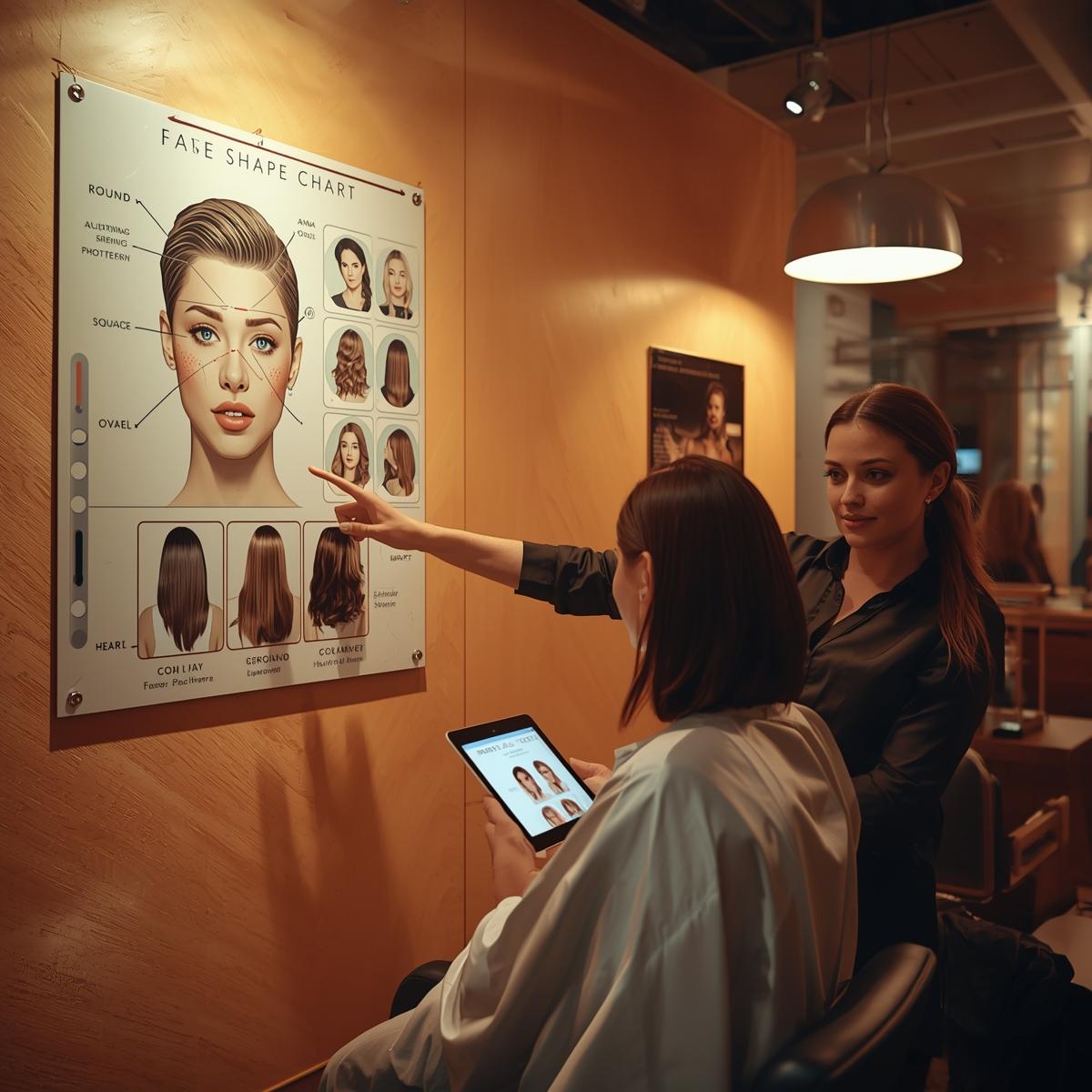
Choosing a Short Haircut Based on Face Shape
Face shape affects how short hair aligns with your features.
Oval Face
Most short styles work well due to balanced proportions.
Round Face
Consider cuts that create vertical direction rather than width.
Square Face
Hair that follows the outline of the face can support structure.
Heart Face
Keep some density near the lower portion of the hair.
Long Face
Avoid excessive height on top.
Your stylist can adjust lengths to improve balance.
Matching Short Hair With Hair Density
Thick Hair
Choose cuts that remove weight.
Good options:
- Textured crop
- Shag
- Undercut
Fine Hair
Maintain structure with minimal layering.
Good options:
- Blunt bob
- Lob
- Even pixie
How to Prepare Before Cutting Your Hair Short
Going from long to short hair is a significant change. Preparation helps avoid regret.
Steps to Take
- Review reference images
- Talk openly with your stylist
- Start slightly longer if unsure
- Understand maintenance needs
Gradual transitions often feel easier.
Daily Care for Short Hair
Short hair still benefits from routine care.
Washing
Cleanse based on scalp condition.
Conditioning
Apply lightly to avoid buildup.
Styling
Use small amounts of product if needed.
Brushing
Short hair usually requires minimal brushing.
Consistency supports the haircut.
How Often Should You Trim Short Hair?
Because growth becomes noticeable quickly, short hair usually needs more frequent trims than long hair.
General guide:
- Pixie or buzz: every 4 to 6 weeks
- Bob or lob: every 6 to 8 weeks
- Layered cuts: every 7 to 9 weeks
Scheduling ahead prevents loss of shape.
Mistakes to Avoid When Choosing Short Hair
- Cutting too short without preparation
- Ignoring hair texture
- Skipping trims
- Using excessive product
- Choosing a style that conflicts with your routine
Awareness helps maintain satisfaction with the cut.
Travel-Friendly Short Haircuts
Women who travel often may benefit from haircuts that require few tools.
Reliable options:
- Pixie
- Bob
- Buzz cut
- Textured crop
These styles simplify packing and grooming.
Seasonal Considerations
Comfort can shift with climate.
- Shorter cuts may feel easier during warm periods.
- Slightly longer short styles can provide coverage in cooler months.
Adjust gradually rather than making sudden changes.
Signs a Short Haircut Works for You
- Styling takes little time
- Hair dries quickly
- Growth remains manageable
- The shape holds between trims
- Grooming feels simple
When these signs appear, the haircut supports your routine.
Building a Long-Term Short Hair Strategy
Maintaining short hair becomes easier with a consistent approach.
Steps for success:
- Choose a structured haircut.
- Visit the same stylist when possible.
- Schedule trims in advance.
- Use products in moderation.
Consistency helps preserve the intended shape.
Conclusion
Short haircut ideas for women offer practical solutions for daily grooming while supporting structure and flexibility. Options such as the bob, lob, pixie, textured crop, asymmetrical cut, blunt cut, shag, tapered cut, undercut, and buzz cut provide choices for different hair textures and routines.
Before choosing a short haircut, consider face shape, hair density, maintenance commitment, and lifestyle. Speak clearly with your stylist and plan regular trims to keep the shape intact.
The right short haircut aligns with how you live and how much time you want to spend on your hair. When structure meets routine, grooming becomes easier to manage.