Introduction
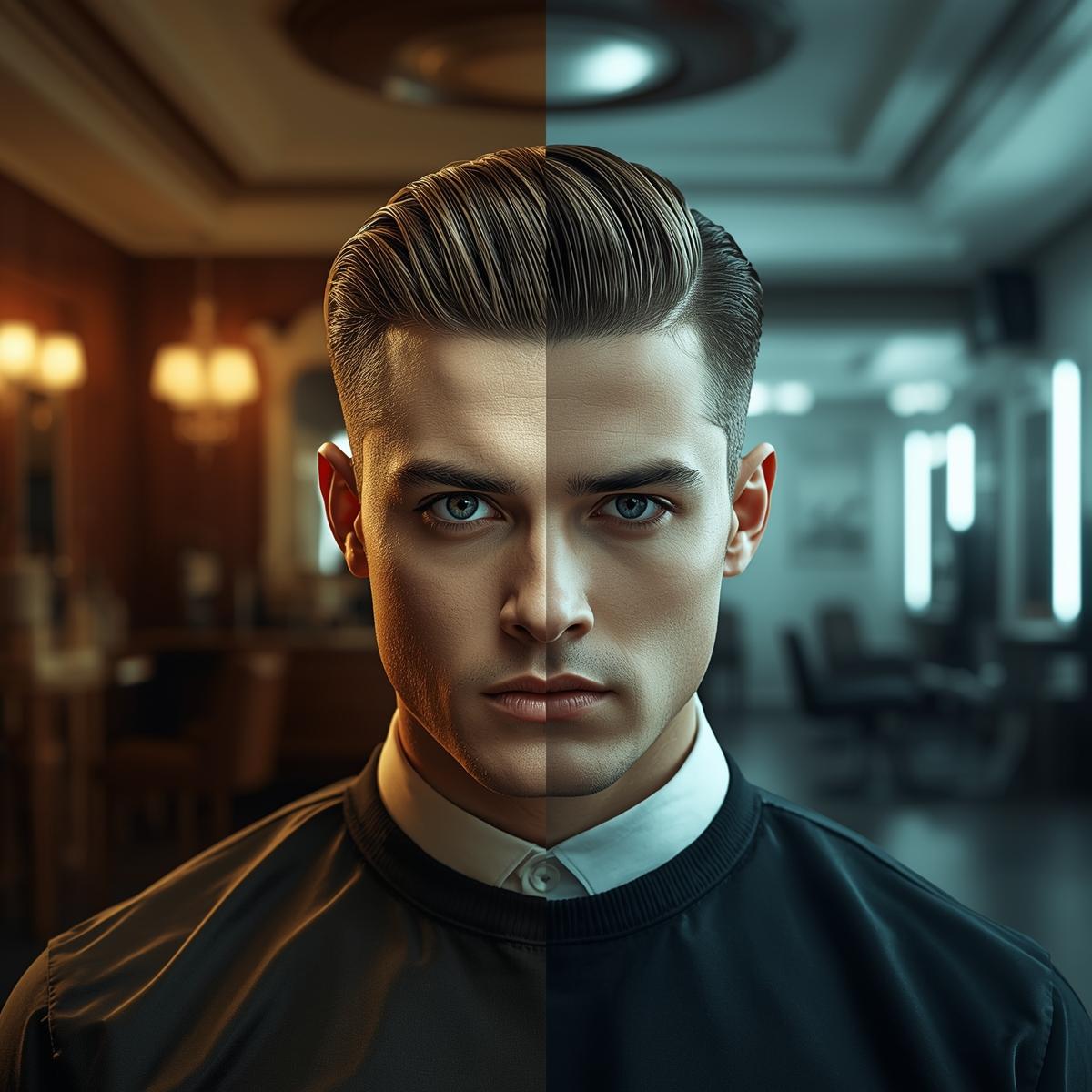
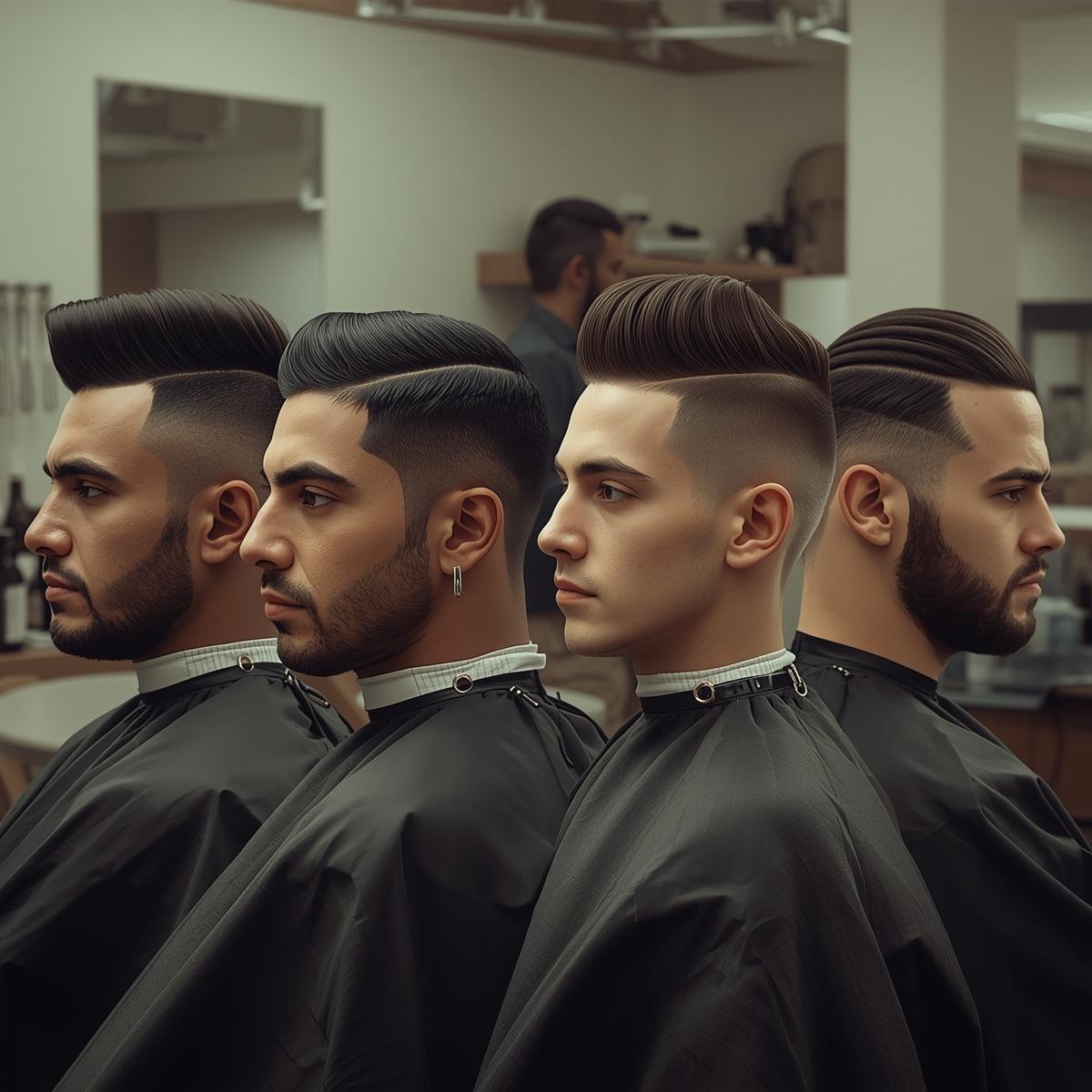
A fade haircut is a method of cutting hair where the length moves from longer hair at the top to shorter hair near the sides and back. The change in length happens step by step until the hair reaches the skin or near-skin level. Barbers use clippers with guards to control the shift in length. This haircut method has remained part of men’s grooming for many years because it fits many hair types, work settings, and age groups.
Face shape plays a role in how a fade looks on a person. When the haircut supports the structure of the face, balance appears between the hair and facial features. When the haircut does not match the face shape, the face can look longer, wider, or uneven.
This guide explains fade haircut styles and how each one works with face shapes such as oval, round, square, rectangle, triangle, diamond, and heart. It also covers how to ask a barber for the cut, how to maintain it, and what to avoid.
What Is a Fade Haircut?
A fade haircut blends hair from long to short without lines between lengths. The transition happens through clipper work and detail steps such as tapering and edging.
Main Elements of a Fade
- Top: The hair left longer. It can support many styles such as crop, pompadour, side part, curls, twists, or waves.
- Sides: Hair that moves through stages of shorter length.
- Back: Often follows the same pattern as the sides.
- Neckline: Can be tapered or blocked depending on preference.
- Blend: The shift from one guard size to another.
Types of Fade Levels
Fade haircuts usually fall into three height groups:
- Low Fade: Begins near the ear line.
- Mid Fade: Starts between the ear and the temple.
- High Fade: Begins near the temple or higher.
There are also skin fades, drop fades, burst fades, and taper fades. Each creates a different outline around the head.
Why Face Shape Matters
The goal of a haircut is balance. A barber can use volume, length, and angles to guide how others see the face.
For example:
- Adding height can help a face that appears wide.
- Reducing volume on the sides can support a face that looks round.
- Leaving weight near the temples can support a face that looks narrow.
Before choosing a fade style, identify the face shape.
How to Identify Face Shape
Stand in front of a mirror and observe the width of the forehead, cheekbones, and jawline. Notice the length from hairline to chin.
Common Face Shapes
- Oval
- Round
- Square
- Rectangle
- Triangle
- Diamond
- Heart
Each has a structure that guides haircut choice.
Fade Haircuts for Oval Face Shape
An oval face has balanced proportions. The forehead is a bit wider than the jaw, and the face length is greater than the width.
Haircut Goal
Maintain balance without adding too much height.
Fade Styles That Work
Low Fade with Textured Top
A low fade keeps the sides controlled without removing too much hair. Pair it with a textured top to create movement.
Why it works:
The oval face already has balance. This fade supports that structure without stretching the face.
Mid Fade with Side Part
A side part directs the eye across the head rather than upward.
Barber tip:
Ask for a guard progression such as #2 to #0.5 on the sides.
Taper Fade with Crop
A taper fade leaves more hair near the crown and neckline.
Maintenance:
Visit the barber every two to three weeks to keep the taper defined.
What to Avoid
- High fades with tall pompadours
- Extra height at the front
These choices can make the face appear longer.
Fade Haircuts for Round Face Shape
A round face has width close to its length. The jawline appears soft, and the cheek area carries volume.
Haircut Goal
Create the sense of length while reducing width.
Fade Styles That Work
High Fade with Volume on Top
A high fade removes bulk from the sides. Add height at the top through a quiff or brush-up.
Why it works:
Height draws the eye upward and shifts attention from the width.
Skin Fade with Spiked Top
A skin fade moves down to the scalp.
Styling step:
Use a light product and direct the hair upward with a blow dryer.
Drop Fade with Pompadour
The drop fade curves behind the ear, following the head shape.
Result:
The curve adds structure without expanding the sides.
What to Avoid
- Low fades with heavy sides
- Fringe that covers the forehead
- Round shapes in the top section
These can add width.
Fade Haircuts for Square Face Shape
A square face shows a wide jaw and a forehead with similar width. The lines appear defined.
Haircut Goal
Support the natural angles without exaggerating them.
Fade Styles That Work
Mid Fade with Short Top
This keeps the look controlled and aligns with the face structure.
Barber request:
Ask for a gradual blend rather than a rapid shift.
Low Skin Fade with Crew Cut
The crew cut sits close to the scalp.
Benefit:
The fade highlights the jawline without adding bulk.
High Fade with Flat Top
The flat top follows straight lines that match the face.
Note:
This style requires clipper skill and routine trims.
What to Avoid
- Extra width near the temples
- Heavy curls on the sides
These can distort the facial outline.
Fade Haircuts for Rectangle Face Shape
The rectangle face is longer than it is wide. The forehead, cheeks, and jawline align in width.
Haircut Goal
Reduce the sense of length.
Fade Styles That Work
Low Fade with Fringe
A fringe shortens the visual length of the face.
Styling idea:
Let the fringe rest forward rather than pushing it back.
Taper Fade with Medium Top
Avoid high volume. Keep the top controlled.
Scissor Cut with Fade
Blend scissor work into the fade for a natural flow.
Why it works:
It prevents a tall profile.
What to Avoid
- High fades
- Tall pompadours
- Spikes
These extend the face.
Fade Haircuts for Triangle Face Shape
A triangle face has a jaw wider than the forehead.
Haircut Goal
Add presence near the upper head while controlling the lower area.
Fade Styles That Work
Low Fade with Layered Top
Layers bring volume near the crown.
Mid Fade with Side Sweep
A side sweep builds width near the temples.
Burst Fade with Curls
The burst fade arcs around the ear and keeps weight above it.
Result:
Balance between jaw and forehead.
What to Avoid
- Skin fades that expose the full side
- Cuts that remove all temple weight
These make the jaw appear wider.
Fade Haircuts for Diamond Face Shape
A diamond face shows wide cheekbones with narrower forehead and jaw.
Haircut Goal
Reduce emphasis on the cheek area.
Fade Styles That Work
Taper Fade with Medium Length
Leaving some hair on the sides prevents the cheeks from dominating.
Low Fade with Messy Top
Movement shifts attention upward.
Scissor Taper with Waves
Waves soften the transition from cheek to temple.
What to Avoid
- High skin fades
- Very tight sides
These expose the cheekbones.
Fade Haircuts for Heart Face Shape
A heart face has a wider forehead with a narrow chin.
Haircut Goal
Bring balance to the lower half.
Fade Styles That Work
Low Fade with Medium Fringe
The fringe reduces forehead width.
Taper Fade with Brush Forward
Direct the hair toward the front rather than upward.
Mid Fade with Loose Texture
Keep some density near the sides.
What to Avoid
- High fades
- Tall styles
- Hard parts
These increase the upper width.
Skin Fade vs Taper Fade
Understanding the difference helps when speaking with a barber.
Skin Fade
Hair blends down to the scalp.
Pros:
- Defined outline
- Works with many top styles
Cons:
- Requires frequent visits
- Scalp exposure increases
Taper Fade
Hair shortens near the neckline and sideburns but does not reach the skin across the sides.
Pros:
- Grows out with less contrast
- Fits work settings
Cons:
- Less visual impact
How to Ask Your Barber for a Fade
Clear communication leads to better results.
Steps to Follow
- Name the fade height: low, mid, or high.
- Choose the finish: skin or taper.
- Explain the top length: inches or finger length.
- Mention styling habits: blow dry, air dry, or product use.
- Show a reference image.
Example Request
“I want a mid skin fade with two inches left on top and a blended transition.”
Maintenance Guide
Fade haircuts lose structure as hair grows. Routine care keeps the blend visible.
Barber Visits
- Skin fade: every 2–3 weeks
- Standard fade: every 3–4 weeks
- Taper: every 4–5 weeks
At-Home Care
- Wash hair based on scalp needs.
- Use conditioner if hair feels dry.
- Apply product in small amounts.
- Comb or brush to guide direction.
Neck Cleanup
Some choose neckline cleanup between visits. Use caution to avoid pushing the hairline higher.
Fade Haircuts and Hair Types
Hair texture influences the outcome.
Straight Hair
Shows blend lines more clearly. Barbers must detail the transition.
Wavy Hair
Creates natural movement that can hide minor blend shifts.
Curly Hair
Supports volume on top while the fade controls the sides.
Coarse Hair
May require guard adjustments due to density.
Workplace Considerations
Some workplaces accept bold cuts, while others prefer subtle grooming.
- Choose a taper fade for formal settings.
- Select a mid fade for mixed environments.
- Reserve high skin fades for flexible dress codes if needed.
Common Mistakes to Avoid
- Picking a fade without considering face shape
- Skipping maintenance
- Using too much product
- Attempting self-fades without skill
- Ignoring scalp care
Each can affect the final look.
Fade Haircuts Across Age Groups
Fade haircuts suit teens, adults, and older men.
- Teens: Often pair fades with longer tops.
- Adults: Choose structured blends for daily routines.
- Older men: Taper fades offer control without harsh contrast.
Age does not limit the fade; adjustment in height and top length makes the difference.
Seasonal Adjustments
Climate can influence haircut choice.
- Shorter fades may feel easier during warm periods.
- Slightly longer sides can help during cooler months.
Hair grows at the same rate, but comfort levels change.
The Role of Beard Pairing
Facial hair can support a fade.
- A faded beard can connect to the haircut.
- Short beards align with high fades.
- Fuller beards pair with low fades.
Ask the barber to blend the sideburn into the beard for continuity.
Growth Timeline
Hair grows about half an inch per month. After two weeks, the fade begins to soften. After four weeks, the blend shifts.
Planning visits keeps the shape intact.
Tools Barbers Use
- Clippers with guards
- Trimmers for edges
- Shears for top work
- Razors for skin fades
- Combs for control
Skill with these tools shapes the final result.
Future Direction of Fade Haircuts
While styles change over time, the fade remains present because it adapts. Barbers adjust techniques, but the concept of blending lengths stays relevant.
Conclusion
Fade haircuts offer a structured way to manage hair length while supporting face shape. The key is balance. Identify the face shape, choose the fade height, decide on the top style, and maintain the cut through routine visits.
Communication with a barber ensures the outcome matches expectations. With the right approach, a fade haircut can fit daily life, workplace needs, and grooming habits without complication.
When selecting a fade, focus on proportion rather than trend. A haircut that aligns with facial structure will continue to work as hair grows and routines shift.