
Introduction
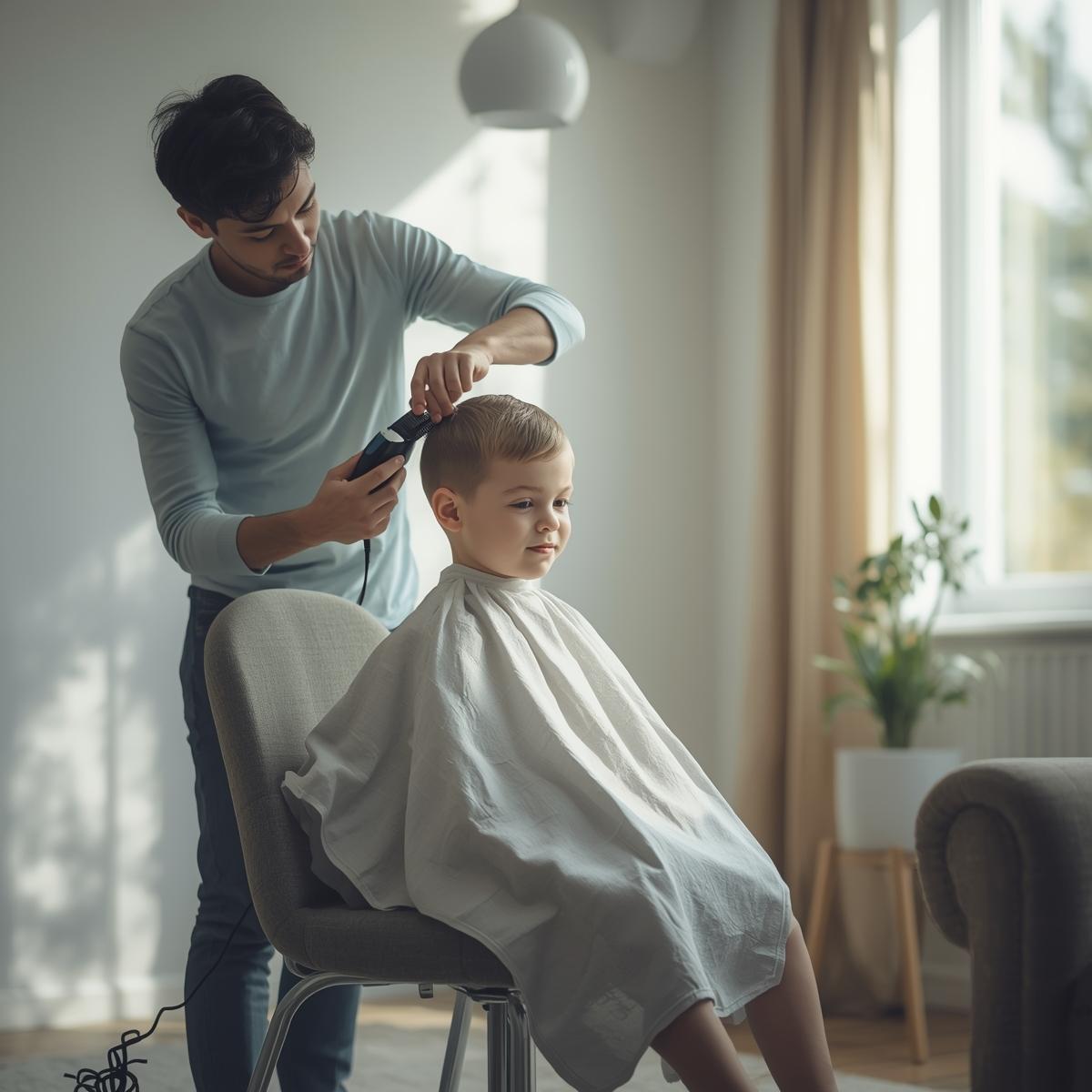
Cutting a boy’s hair at home has become common for parents who want to reduce salon visits and manage grooming on their own schedule. With the right tools and a basic method, many haircuts can be completed safely at home without advanced training.
Home haircuts work best when the style is simple, the length is controlled, and the child remains comfortable during the process. This guide explains easy haircuts for boys, preparation steps, tools to use, safety methods, and maintenance practices.
Why Parents Choose Home Haircuts
Home haircuts offer flexibility and help maintain consistent grooming.
Key Advantages
- Saves travel time
- Reduces grooming costs
- Allows trimming when needed
- Builds familiarity for the child
- Supports routine maintenance
Many children also feel calmer in a familiar environment.
Preparing Before Cutting Hair
Preparation reduces mistakes and helps the haircut go smoothly.
Choose the Right Time
Cut hair when the child is calm, fed, and not tired. Avoid cutting hair right before sleep or during active play hours.
Select a Good Location
Use a space with strong lighting and easy cleanup such as:
- Bathroom
- Kitchen with tile flooring
- Outdoor area
Place a towel or sheet under the chair to collect hair.
Keep the Child Occupied
Provide quiet entertainment such as:
- A video
- Music
- A story
- A handheld toy
Limited movement improves accuracy.
Tools Needed for Home Haircuts
Using proper tools makes a significant difference.
Basic Tools Checklist
- Hair clippers with guards
- Hair cutting scissors
- Comb
- Spray bottle with water
- Neck towel
- Mirror
- Cleaning brush
Avoid using household scissors because they are not designed for hair.
Understanding Guard Numbers
Clipper guards determine hair length.
- #1 guard: very short
- #2 guard: short
- #3 guard: moderate length
- #4 guard: longer finish
Starting with a longer guard prevents cutting too much hair.
Easy Haircuts for Boys You Can Do at Home
Below are practical haircuts that do not require complex techniques.
1. Buzz Cut
Overview
The buzz cut uses one guard length across the entire head.
Why It Works
- Simple method
- Even result
- Quick process
- Low maintenance
Steps
- Attach the chosen guard.
- Move clippers upward from the neckline.
- Continue across the sides.
- Finish at the top using the same guard.
Check for missed spots before finishing.
Maintenance
Trim every 3 to 5 weeks.
2. Crew Cut
Overview
The crew cut keeps the sides shorter than the top.
Why It Works
Provides structure without requiring advanced blending.
Steps
- Use a shorter guard on the sides.
- Switch to a longer guard for the top.
- Move clippers in the direction of hair growth.
- Blend lightly where lengths meet.
Maintenance
Every 4 to 6 weeks.
3. Taper Cut
Overview
Hair gradually shortens near the neckline while remaining longer above.
Why It Works
The transition looks natural as hair grows.
Steps
- Begin with a longer guard overall.
- Switch to a shorter guard near the neck.
- Use gentle upward strokes to blend.
Maintenance
Every 5 to 7 weeks.
4. Short Scissor Cut
Overview
Instead of clippers, scissors control the length.
Why It Works
Allows careful shaping without removing too much hair.
Steps
- Dampen the hair slightly.
- Comb sections upward.
- Trim small amounts.
- Repeat evenly across the head.
Never cut large sections at once.
Maintenance
Every 6 to 8 weeks.
5. Side-Part Cut
Overview
Hair remains longer on top with a natural separation on one side.
Why It Works
Keeps hair away from the eyes and supports daily grooming.
Steps
- Identify the natural part.
- Trim around the ears.
- Use scissors to control the top length.
Maintenance
Every 6 weeks.
Safety Tips During the Haircut
Safety should guide every step.
Stay Focused
Avoid distractions while using scissors or clippers.
Control Movement
Ask the child to keep their head still before trimming near:
- Ears
- Neck
- Forehead
Use Slow Motions
Quick cutting increases the chance of uneven lines.
Check Blade Temperature
Clipper blades can warm during use. Turn them off periodically.
Mistakes to Avoid
- Cutting hair when the child is restless
- Using dull scissors
- Starting too short
- Rushing the process
- Skipping blending
Patience leads to better results.
Cleaning Up After the Haircut
Brush loose hair from the neck and shoulders. A quick rinse or shower removes remaining strands and prevents itching.
Clean your tools before storing them to maintain performance.
How Often Should Boys Get Haircuts?
Frequency depends on the style.
- Buzz cut: every 3 to 5 weeks
- Crew cut: every 4 to 6 weeks
- Scissor cuts: every 6 to 8 weeks
Regular trims keep the haircut manageable.
Helping a Child Stay Comfortable
Some children feel unsure during haircuts.
Ways to Improve Comfort
- Explain the process beforehand
- Let them touch the tools while turned off
- Take short breaks if needed
- Stay calm and speak clearly
A steady approach builds trust.
When to Visit a Professional
Home haircuts work well for maintenance, but some situations benefit from a stylist.
Consider a professional when:
- You want a detailed style
- The hair is very thick
- Strong blending is required
- You are making a major length change
Alternating between home trims and salon visits can be effective.
Conclusion
Easy haircuts for boys at home focus on simplicity, safety, and consistency. Styles such as the buzz cut, crew cut, taper cut, short scissor cut, and side-part cut provide reliable options that parents can manage with basic tools.
Preparation, patience, and proper technique help create an even result while keeping the child comfortable. Start with longer guards, trim gradually, and maintain a regular schedule to support healthy growth.
With practice, home haircuts can become a predictable part of your grooming routine while saving time and supporting convenience.