Introduction
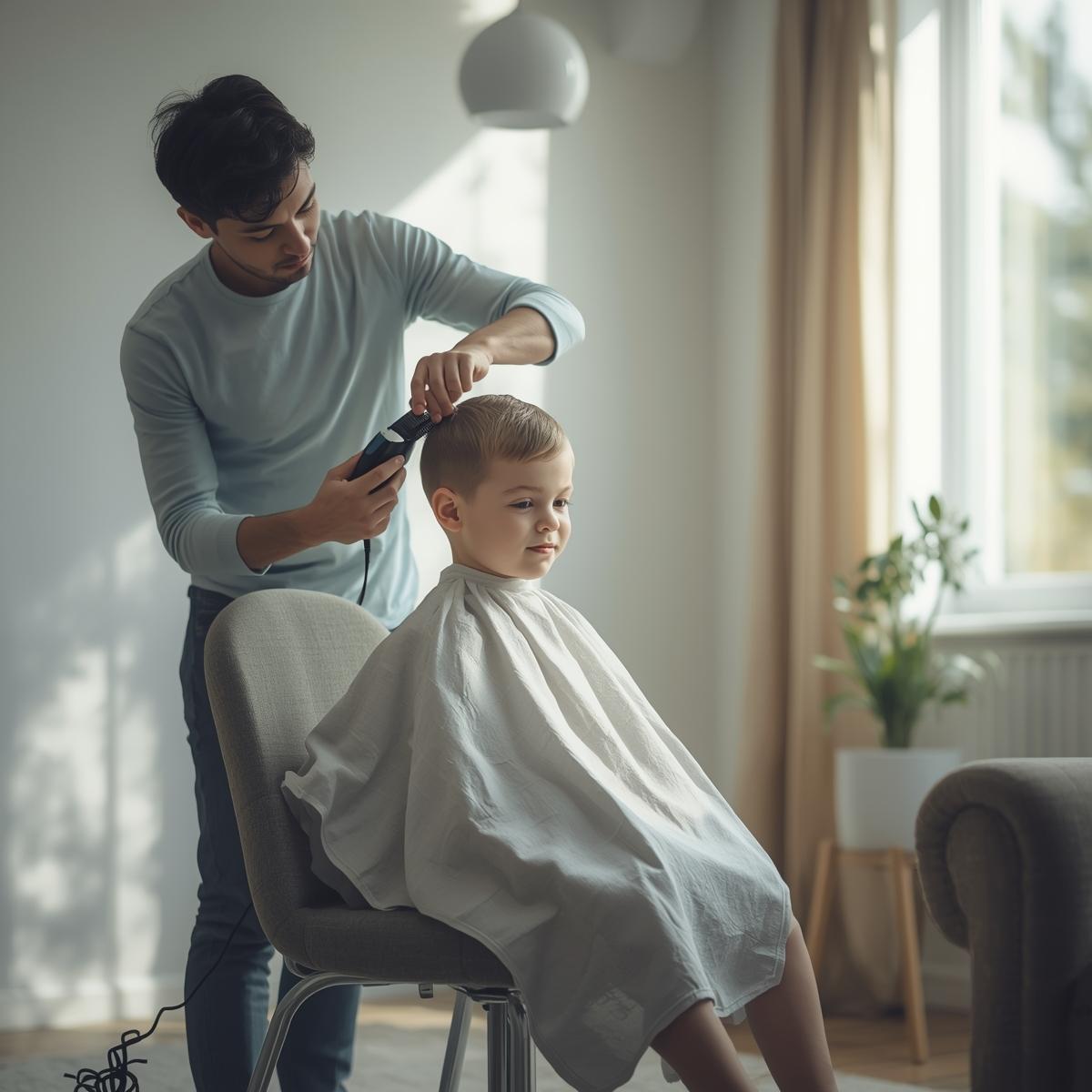
Choosing a haircut for a girl involves more than appearance. The haircut should support daily routines, remain manageable for parents, and allow the child to move comfortably through school and activities. A structured haircut reduces tangles, shortens grooming time, and helps maintain clean lines as hair grows.
This guide explains practical haircut styles for girls, how to choose the right length, maintenance methods, and what parents should consider before scheduling a haircut.
Why Haircuts Matter for Children
Children benefit from haircuts that simplify care and prevent discomfort.
Main Benefits
- Reduces knots
- Shortens brushing time
- Keeps hair away from the eyes
- Supports scalp hygiene
- Helps hair dry faster
A well-planned haircut can make daily grooming easier for both parent and child.
Factors to Consider Before Choosing a Haircut
Hair Texture
Understanding texture helps determine how the hair will settle after cutting.
- Straight hair shows lines clearly.
- Wavy hair forms natural bends.
- Curly hair expands outward.
- Coily hair shrinks after drying.
Activity Level
Children who run, play sports, or participate in outdoor activities often benefit from hair that stays controlled without constant adjustment.
Maintenance Commitment
Some styles require frequent trims, while others grow out evenly.
Ask yourself:
- How often can we visit a salon?
- How much time do we spend brushing?
- Does the child tolerate styling?
Popular Haircut Lengths for Girls
Short Length
Stops above the shoulders. Easier washing and faster drying.
Medium Length
Usually sits between the chin and chest. Offers flexibility.
Long Length
Falls below the shoulders. Allows braiding and tying but requires more brushing.
Choosing the right length helps prevent daily struggles.
Cute Haircut Styles for Girls
The styles below focus on manageability and structure while supporting natural movement.
1. Classic Bob
Overview
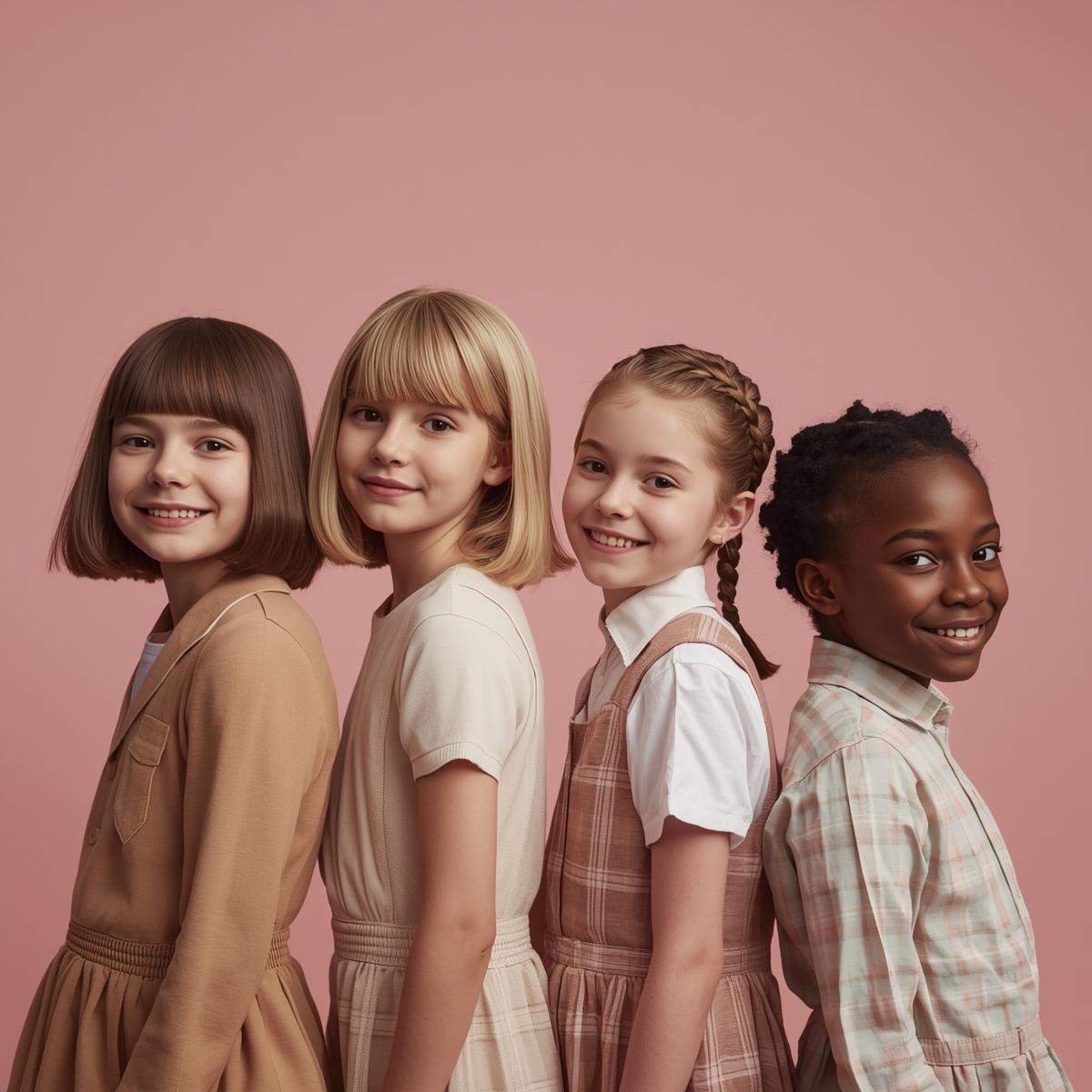
Hair is cut evenly around the head, typically between the chin and shoulders.
Why Parents Choose It
- Simple to brush
- Keeps hair out of the face
- Dries quickly
Maintenance
Trim every 6 to 8 weeks to maintain the perimeter.
2. Lob (Long Bob)
Overview
A longer version of the bob that rests above the shoulders.
Benefits
- Allows tying when needed
- Maintains controlled length
- Works for many hair textures
Maintenance
Every 8 weeks.
3. Layered Medium Cut
Overview
Hair is cut at multiple lengths to distribute weight.
Why It Works
Layers prevent heavy buildup and support natural movement.
Best For
- Thick hair
- Wavy patterns
- Hair prone to tangling
Maintenance
Every 8 to 10 weeks.
4. Shoulder-Length Cut With Fringe
Overview
Hair rests near the shoulders with a fringe across the forehead.
Advantages
- Keeps strands away from the eyes
- Supports structured grooming
- Works well for school routines
Maintenance
Fringe may need trimming every 3 to 4 weeks.
5. Pixie Cut for Girls
Overview
Hair is cut short around the sides and back with slightly more length on top.
Why Some Families Prefer It
- Minimal brushing
- Quick washing
- Reduced tangles
Maintenance
Every 5 to 7 weeks.
6. Blunt Cut
Overview
Hair is cut straight across with no layers.
Benefits
- Creates a strong perimeter
- Helps fine hair appear fuller
- Simplifies brushing
Maintenance
Every 6 to 8 weeks.
7. Curly Shaped Cut
Overview
Hair is trimmed to follow the natural curl pattern.
Why It Matters
Cutting curls evenly prevents uneven expansion.
Tips
Always cut curls slightly longer to account for shrinkage.
Maintenance
Every 8 to 12 weeks.
8. Step Cut
Overview
Hair transitions gradually from shorter sections to longer ones.
Why Parents Choose It
- Reduces bulk
- Allows flexible styling
- Keeps hair organized
Maintenance
Every 8 to 10 weeks.
9. Chin-Length Cut
Overview
Hair stops near the chin, creating a clear outline.
Advantages
- Quick drying
- Easy detangling
- Predictable growth
Maintenance
Every 6 to 8 weeks.
10. Long Layers
Overview
Hair remains long but includes spaced layers to control weight.
Benefits
- Maintains length
- Reduces pulling during brushing
- Supports braids and ponytails
Maintenance
Every 8 to 12 weeks.
Choosing a Haircut Based on Face Shape
Even for children, face shape can guide haircut structure.
Round Face
Cuts that fall below the chin help guide the eye downward.
Oval Face
Most styles align well with balanced proportions.
Square Face
Layered cuts can guide attention along the outline.
Heart Face
Hair that builds presence near the lower portion supports balance.
Keep adjustments subtle to maintain a natural look.
Preparing a Child for a Haircut
Preparation can prevent resistance.
Helpful Steps
- Explain what will happen.
- Show reference images.
- Schedule the appointment when the child is rested.
- Bring quiet entertainment if needed.
A calm child helps the stylist work safely.
Daily Hair Care After the Cut
Brushing
Start from the ends and move upward to prevent pulling.
Washing
Use products suited for children and rinse thoroughly.
Drying
Pat gently with a towel rather than rubbing.
Detangling
Use a wide-tooth comb for textured hair.
Consistent care keeps the haircut looking structured.
How Often Should Girls Get Haircuts?
- Short styles: every 5 to 7 weeks
- Medium styles: every 6 to 8 weeks
- Long styles: every 8 to 12 weeks
Regular trims prevent split ends and maintain shape.
Mistakes to Avoid
- Choosing a style that requires daily heat styling
- Skipping trims
- Ignoring hair texture
- Cutting too much length at once
- Selecting a style the child dislikes
Including the child in the decision often leads to better acceptance.
Signs the Haircut Works Well
- Brushing becomes faster
- Hair stays out of the eyes
- Knots decrease
- Styling time shortens
- Growth remains even
These indicators suggest the haircut supports daily life.
When to Change the Hairstyle
Consider adjusting the haircut if:
- Grooming becomes difficult
- The child joins new activities
- Hair texture changes
- Maintenance feels demanding
Gradual adjustments usually work best.
Long-Term Haircut Planning
Children grow quickly, and their grooming needs evolve.
Strategy for Parents
- Choose manageable styles.
- Maintain a trim schedule.
- Adjust length gradually.
- Work with a consistent stylist when possible.
Planning ahead reduces stress.
Conclusion
Cute haircut styles for girls should prioritize comfort, manageability, and predictable growth. Options such as the bob, lob, layered medium cut, blunt cut, pixie, chin-length style, curly shaped cut, and long layers provide reliable solutions for different hair textures and routines.
By considering maintenance needs, activity level, and hair behavior, parents can select a haircut that supports both the child and daily grooming. Regular trims and consistent care help preserve structure and prevent unnecessary tangles.
The right haircut allows a child to move freely while keeping hair controlled and easy to maintain.