Introduction
Long hair remains a common choice for women because it allows flexibility in styling, tying, braiding, and shaping. However, long hair requires a haircut structure that prevents weight buildup, uneven growth, and difficult maintenance. The right haircut helps long hair move, reduces tangling, and keeps the ends controlled.
This guide explains the best haircuts for long hair, how each cut works, how to request it from a stylist, and how to maintain it. It also covers hair texture considerations, face shape alignment, and daily care strategies so your long hair remains manageable over time.
Why Haircuts Matter for Long Hair
Some believe long hair does not need frequent cutting, but without structure, long hair can become heavy, difficult to brush, and prone to split ends.
Benefits of Choosing the Right Haircut
- Supports even growth
- Reduces excess weight
- Helps hair fall naturally
- Limits tangling
- Makes washing easier
- Improves styling control
A structured haircut ensures that long hair works with your routine rather than against it.
How Often Should Long Hair Be Cut?
Hair grows about half an inch per month. Even if you plan to keep your length, trimming prevents damage from traveling upward through the hair shaft.
Recommended schedule:
- Every 8 to 12 weeks for most long styles
- Every 6 to 8 weeks if your ends split easily
Regular trims protect length over time.
Factors to Consider Before Choosing a Haircut
Before selecting a haircut, think about how your hair behaves daily.
Hair Texture
- Straight hair shows lines clearly.
- Wavy hair benefits from shaping that supports movement.
- Curly hair needs structure to avoid bulk.
- Coily hair requires careful length planning.
Daily Routine
Ask yourself:
- How long do you spend brushing or styling?
- Do you use heat tools often?
- Do you tie your hair back for work or activity?
Your answers help determine which haircut fits your life.
Best Haircuts for Long Hair
Below are the most reliable haircuts for maintaining long hair while keeping it manageable.
1. Long Layers
Definition: Hair is cut into sections of different lengths while preserving overall length.
How it works:
Shorter sections sit above longer ones, allowing the hair to move instead of hanging in a single block.
Who it suits:
Works with straight, wavy, and curly hair.
How to ask your stylist:
“I want to keep my length but add layers throughout.”
Maintenance:
Trim every 8 to 10 weeks to keep the layers active.
Why it remains popular:
Long layers reduce weight without sacrificing length.
2. U-Shaped Cut
Definition: The back of the hair forms a curve that resembles the letter “U.”
How it works:
The center stays longer while the sides taper slightly.
Benefits:
- Supports natural fall
- Keeps density at the center
- Helps when hair is worn down
How to ask your stylist:
“Shape the back into a U while keeping my length.”
Maintenance:
Every 10 to 12 weeks.
3. V-Shaped Cut
Definition: Hair forms a point at the center of the back.
How it works:
The sides shorten gradually toward the front while the middle remains longest.
Best for:
Hair that is thick or dense.
How to ask your stylist:
“I want the back shaped into a V with gradual transitions.”
Maintenance:
Trim regularly to keep the point defined.
4. Blunt Cut for Long Hair
Definition: Hair is cut straight across at one length.
How it works:
Creates a single line at the ends with no steps.
Benefits:
- Gives structure
- Makes ends appear controlled
- Helps fine hair look consistent
How to ask your stylist:
“Cut my hair straight across with no layers.”
Maintenance:
Every 8 weeks to maintain the line.
5. Face-Framing Layers
Definition: Shorter pieces are cut near the face while the rest of the hair stays long.
How it works:
These sections guide how hair rests around facial features.
Benefits:
- Helps hair fall away from the face
- Supports tying and styling
- Works with many textures
How to ask your stylist:
“Add layers near my face but keep the rest long.”
Maintenance:
Trim the front sections every 6 to 8 weeks.
6. Feathered Long Cut
Definition: Ends are shaped so that sections separate rather than forming a solid line.
How it works:
Stylists remove small amounts of hair near the ends to create separation.
Best for:
Hair that feels heavy.
How to ask your stylist:
“Reduce weight at the ends so the hair separates.”
Maintenance:
Every 8 to 10 weeks.
7. Long Shag
Definition: A layered haircut with multiple lengths from top to bottom.
How it works:
Shorter sections near the crown sit above longer lengths.
Benefits:
- Encourages movement
- Reduces bulk
- Works with waves and curls
How to ask your stylist:
“I want a shag with multiple lengths while keeping overall length.”
Maintenance:
Every 8 to 10 weeks.
8. Tapered Ends Cut
Definition: Ends narrow gradually rather than stopping abruptly.
How it works:
Stylists soften the perimeter so hair flows.
Benefits:
- Limits tangling
- Helps braids and ties sit better
How to ask your stylist:
“Taper the ends so they narrow slightly.”
Maintenance:
Trim as needed to prevent splitting.
Choosing the Right Haircut Based on Hair Density
Thick Hair
Select cuts that remove weight.
Recommended:
- Long layers
- V-shape
- Shag
Avoid single-length cuts if bulk becomes difficult.
Fine Hair
Choose cuts that maintain structure.
Recommended:
- Blunt cut
- U-shape
- Light face-framing
Avoid excessive layering.
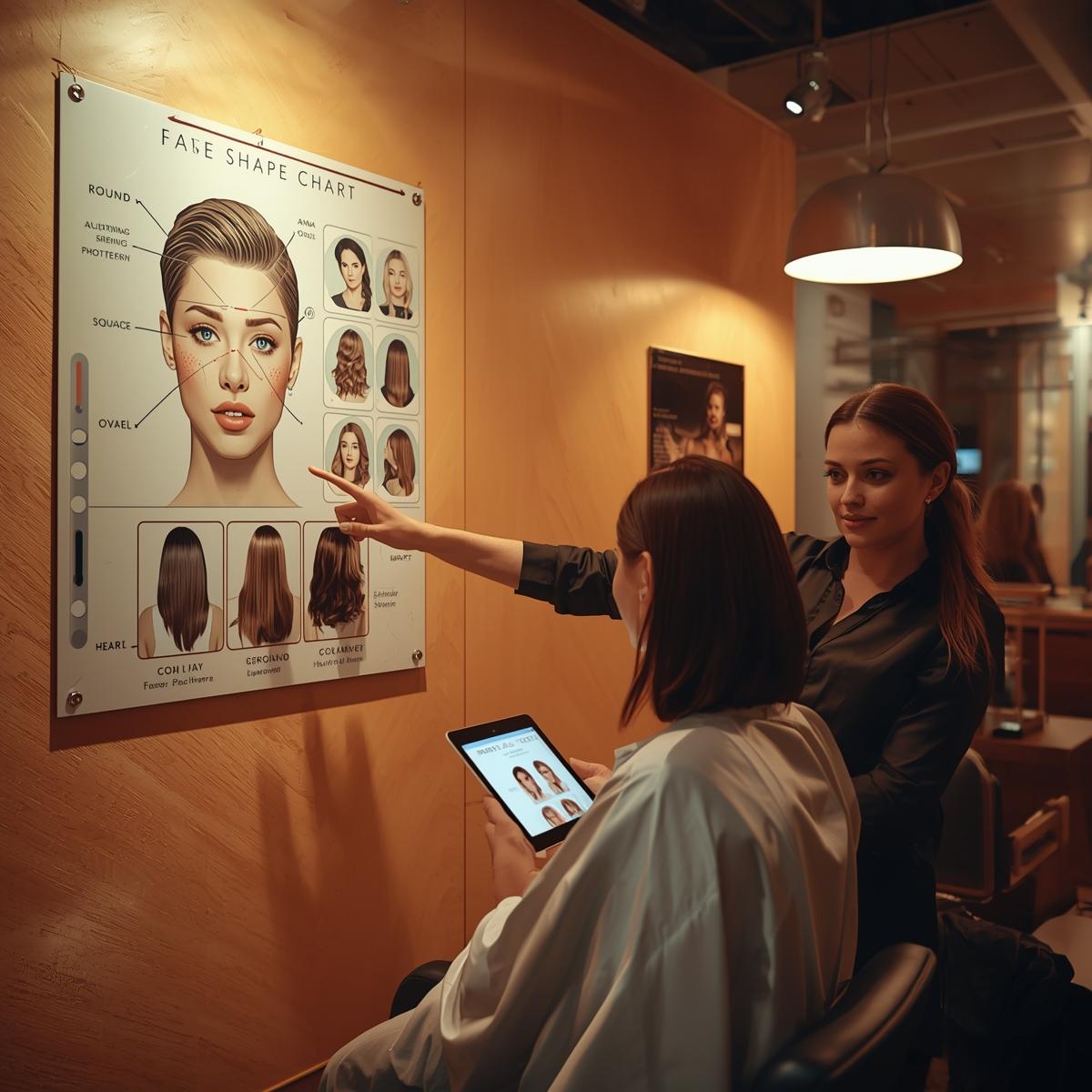
Face Shape Considerations
Even with long hair, alignment with face shape matters.
Round face:
Length helps guide the eye downward.
Long face:
Consider layers that reduce vertical focus.
Square face:
Sections around the face can guide hair along facial lines.
Heart face:
Keep some density near the lower portion.
Balance remains the objective.
How to Communicate With Your Stylist
Clear instructions improve results.
What to Mention
- Desired length
- Layer preference
- Daily styling habits
- Maintenance expectations
- Hair concerns such as tangling
Example Request
“I want to keep my long hair but reduce weight and make brushing easier.”
Bringing a reference image can help ensure accuracy.
Daily Care for Long Hair
Haircuts work best when paired with proper care.
Washing
Cleanse based on scalp condition rather than a fixed schedule.
Conditioning
Apply conditioner to support detangling.
Brushing
Start near the ends and work upward gradually.
Heat Use
Limit high temperatures when possible.
These habits protect length.
Preventing Split Ends
Split ends weaken hair and reduce control.
Prevention steps:
- Schedule trims
- Avoid aggressive brushing
- Use protective products before heat
- Do not pull knots apart
Healthy ends support a better haircut.
Styling Without Adding Complexity
Long hair does not need complicated routines.
Simple options:
- Tie into a low ponytail
- Create a braid
- Clip sections back
- Let hair fall naturally
Choose methods that match your schedule.
Travel-Friendly Long Haircuts
If you travel often, select a haircut that does not require multiple tools.
Good choices:
- U-shaped cut
- Blunt cut
- Long layers
Carry a comb and ties for quick adjustments.
Mistakes to Avoid With Long Hair
- Skipping trims for long periods
- Choosing heavy layering without understanding upkeep
- Using too much product
- Ignoring tangles
- Cutting too much at once without planning
Avoiding these mistakes keeps hair manageable.
Seasonal Adjustments
Weather can influence comfort.
- Warm periods may encourage reducing weight.
- Cooler periods may support keeping density.
Adjust gradually rather than making sudden changes.
Building a Long-Term Hair Strategy
Maintaining long hair requires consistency.
Steps for success:
- Choose a structured haircut.
- Follow a trim schedule.
- Protect the ends.
- Communicate with your stylist.
A steady approach helps preserve length.
Signs You Have the Right Haircut
- Hair brushes without resistance
- Ends remain controlled
- Weight feels balanced
- Styling takes little effort
- Growth appears even
When these signs are present, the haircut supports your needs.
Conclusion
The best haircuts for long hair focus on structure, weight control, and growth support. Options such as long layers, U-shaped cuts, V-shaped cuts, blunt lines, face-framing layers, feathered ends, and shags help long hair remain manageable without sacrificing length.
Before choosing a haircut, consider hair texture, density, face shape, and routine. Speak clearly with your stylist and maintain regular trims to protect your ends.
Long hair can remain easy to manage when the haircut aligns with your daily habits. With the right structure, long hair supports flexibility while staying controlled over time.