
Haircuts for women change over time as people look for styles that suit daily life, personal habits, and current preferences. Trends reflect what many people choose at salons and barbershops. These trends are shaped by media, celebrity influence, cultural shifts, and the tools available for cutting and styling hair.
This guide covers the trending women’s haircuts this year. It explains each style, how it works with different hair lengths and textures, how to ask a stylist for it, and how to maintain it between appointments. This article also includes tips for choosing a trend that fits your routine and face shape.
Why Haircut Trends Matter
Haircut trends matter because they show what people are choosing in real time. Trends also influence how stylists learn new techniques and how salons promote services. A trend may spread because it works easily with many hair types, because it takes less time to style, or because it reflects a shift in lifestyle.
For you, knowing trending haircuts helps you choose a look that fits your life while staying current with what others are seeking. A trend may not be the final choice, but it can guide decisions.
How Trends Are Driven
Trends come from many sources:
Media influence: Movies, videos, and social platforms show haircuts on public figures and creators.
Salon networks: Stylists share work with peers online, which spreads styles quickly.
Tool and product availability: New tools and products make certain cuts easier to wear.
Cultural events: Music, art, and social movements influence what people want in a haircut.
Understanding trend drivers helps you see why certain cuts are popular. It also helps you decide if a trend fits your life or not.
Trending Haircuts This Year
Below are the main haircuts gaining attention this year. Each section explains the style, how to request it, who it works for, and how to maintain it.
- The Modern Bob
Definition: A haircut that sits near the jawline or just above the shoulders.
How it works: Hair is cut evenly with small shifts in length toward the ends. It usually moves straight across but can include soft movement.
How to ask for it:
“I want a bob that sits at my jaw or just below it.”
“I want the ends to follow a straight line with slight movement.”
Why people choose it this year:
The bob works as a simple baseline haircut that can be personalized. It fits many hair lengths and textures.
Maintenance:
Plan salon visits every 6 to 8 weeks to keep the line clean. Brushes and combs help shape the style between visits.
- Mid-Length Cut With Movement
Definition: Hair that falls between the chin and the top of the chest.
How it works: The cut keeps length but adds sections that move with air and motion.
How to ask for it:
“I want hair that hits between chin and chest.”
“Please include layers that help the hair move.”
Why people choose it this year:
This cut gives length without holding hair long enough to make washing and drying take extra time. Movement helps hair fall rather than sit still.
Maintenance:
Every 8 to 10 weeks for shaping. Style with hands or a brush as needed.
- Curtain Cut
Definition: Hair divided with a gentle part in the center that drapes to each side.
How it works: Hair follows a part from the middle of the head. The sides fall down to frame the face.
How to ask for it:
“I want a center part that falls to each side.”
“Cut the front so it frames my face evenly.”
Why people choose it this year:
This cut places hair where the face meets the head, guiding attention and reducing the need for constant adjustment.
Maintenance:
Wash and brush from the center part. Trim the front areas every 8 weeks.
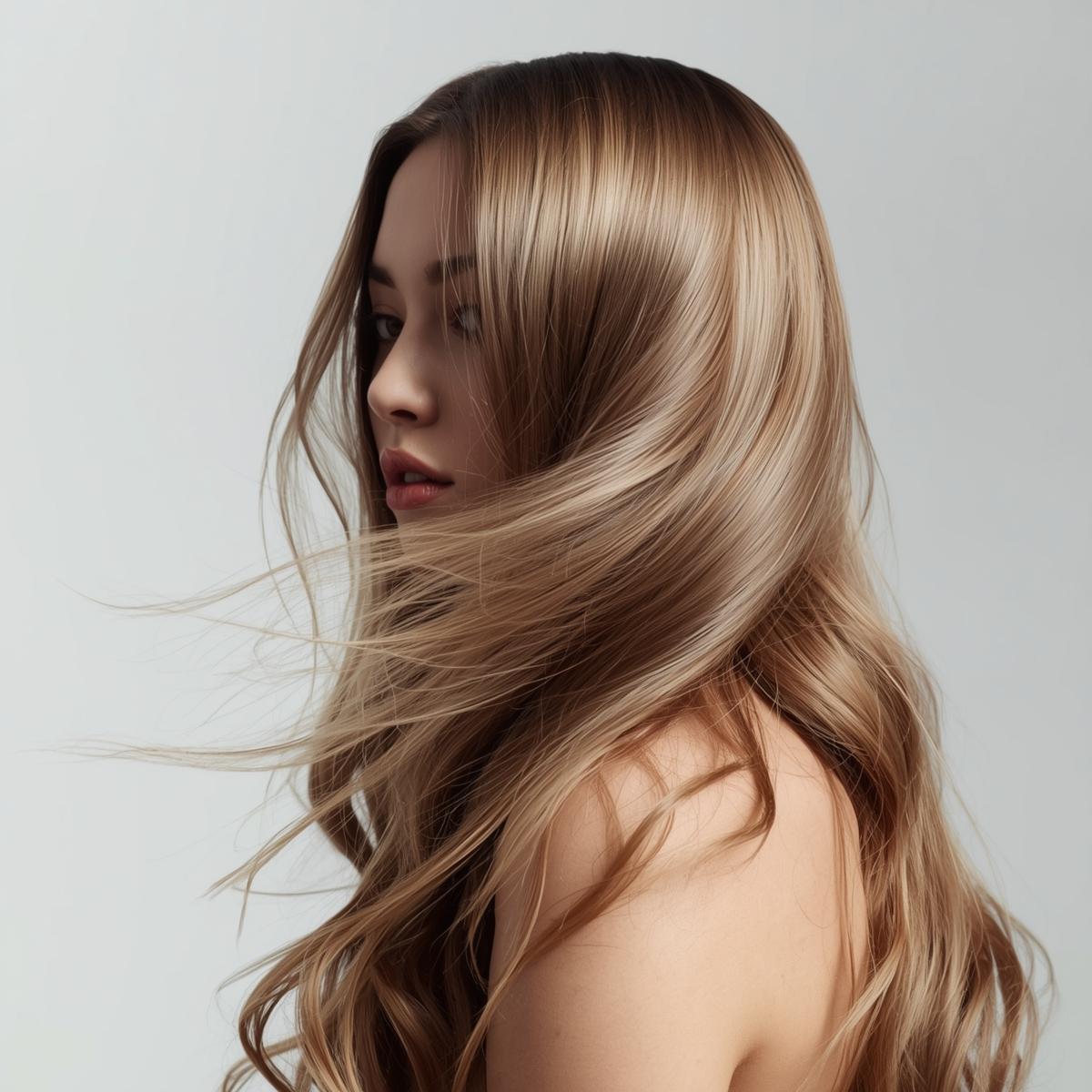
- Long Layers
Definition: Hair of greater length with varying lengths through the body of the hair.
How it works: Layers reduce weight and give sections that move. The hair keeps length but gains dimension.
How to ask for it:
“I want long hair with sections that step down.”
“Start layers below the chin.”
Why people choose it this year:
Long hair remains common, and layers help hair feel lighter and easier to manage.
Maintenance:
Trim the ends every 8 to 10 weeks to keep layers active.
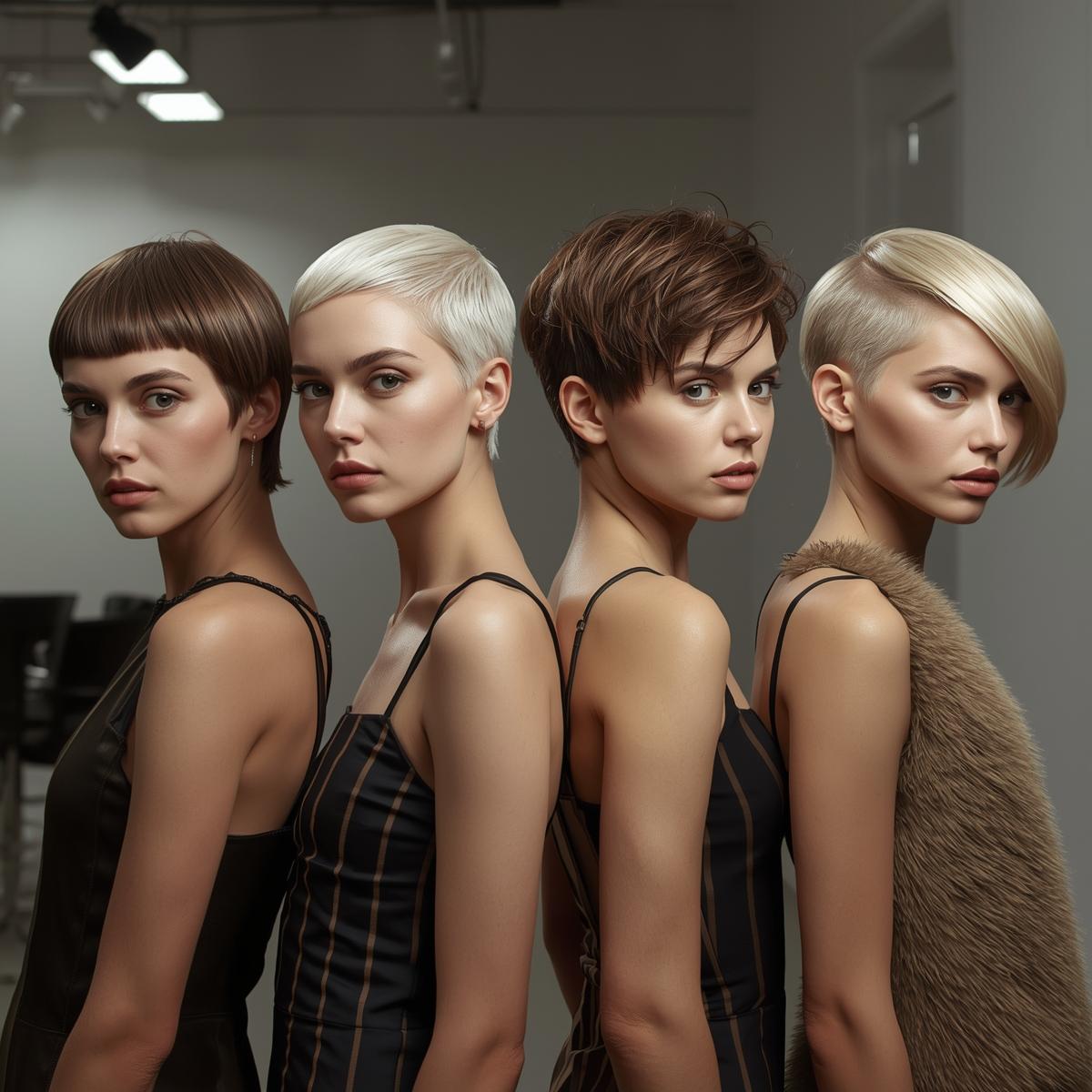
- Short Hair With Strong Outline
Definition: Hair cut close to the head with a clear line around the perimeter.
How it works: Hair near the ears and neckline is cut short and shaped cleanly. The top may remain longer in comparison.
How to ask for it:
“I want hair close to my head with a clear perimeter line.”
“Keep top hair longer than sides.”
Why people choose it this year:
This cut simplifies grooming and provides a structured look.
Maintenance:
Salon visits every 5 to 7 weeks help preserve the perimeter line.
- Shag Cut
Definition: Hair cut into sections that vary in length to create stages and breaks.
How it works: Multiple lengths are cut throughout the hair so that shorter pieces sit above longer pieces.
How to ask for it:
“I want a cut that has multiple lengths throughout.”
“Include short sections near the top and longer sections below.”
Why people choose it this year:
The shag works with many hair types and gives a look that moves without heavy styling.
Maintenance:
Visit a stylist every 8 to 10 weeks to renew the sections.
- Pixie Cut
Definition: Hair cut very close on the sides and back with slightly more length on top.
How it works: Hair is removed close to the scalp around the perimeter while keeping enough length on top to allow for shaping.
How to ask for it:
“I want hair short around my head with more length on top.”
“Create space on top for styling.”
Why people choose it this year:
This cut speeds up wash and dry time, and it supports many styling tools.
Maintenance:
Salon visits every 5 to 7 weeks keep the shape defined.
- Blunt Cut
Definition: Hair cut flat across at one length with no steps.
How it works: The hair forms a single line with no break.
How to ask for it:
“I want a single line with no steps across the ends.”
“Keep length even from side to side.”
Why people choose it this year:
The blunt cut emphasizes a clear line and works at different lengths.
Maintenance:
Trim every 6 to 8 weeks to maintain the single line.
- Face-Framing Cut
Definition: Hair near the face is cut into sections that sit around the facial outline.
How it works: Pieces near the face are shorter than the rest of the hair so that they rest where hair meets skin.
How to ask for it:
“Cut sections near my face that sit where hair meets skin.”
“Keep the rest of my length longer.”
Why people choose it this year:
Face-framing pieces guide how hair meets the facial shape and reduce the need for repositioning hair.
Maintenance:
Trim face-framing lengths every 7 to 9 weeks.
- Textured Ends Cut
Definition: Hair ends are cut with subtle breaks rather than a straight line.
How it works: Stylists use techniques that remove hair in small amounts at the ends so that the hair has movement.
How to ask for it:
“Please work the ends so they break slightly rather than sit in a straight line.”
“Remove small amounts at the edges.”
Why people choose it this year:
This cut helps hair feel lighter and reduces stiffness.
Maintenance:
Trim every 8 to 10 weeks so that textured breaks remain active.
How to Choose a Trend That Fits You
Choosing a trending haircut should not depend on trend alone. It should also support your daily life, routine, and face shape.
Consider Your Routine
Answer questions:
How much time do you spend on hair every day?
Do you wash your hair daily or less often?
Do you prefer simple styling with hands or tools?
How often can you visit a salon?
If your routine has little time for styling, choose a cut that grows evenly and requires less shaping.
Match With Hair Texture
Every hair texture responds differently to a cut. Before choosing, think about your hair pattern:
Straight hair: Hair lies flat and shows lines clearly.
Wavy hair: Hair shows movement that a cut can enhance.
Curly hair: Hair forms patterns that a stylist must shape patiently.
Coily hair: Hair forms tight patterns that need consideration for length and growth.
Ask your stylist how a trending haircut behaves with your texture. They can adjust cutting methods.
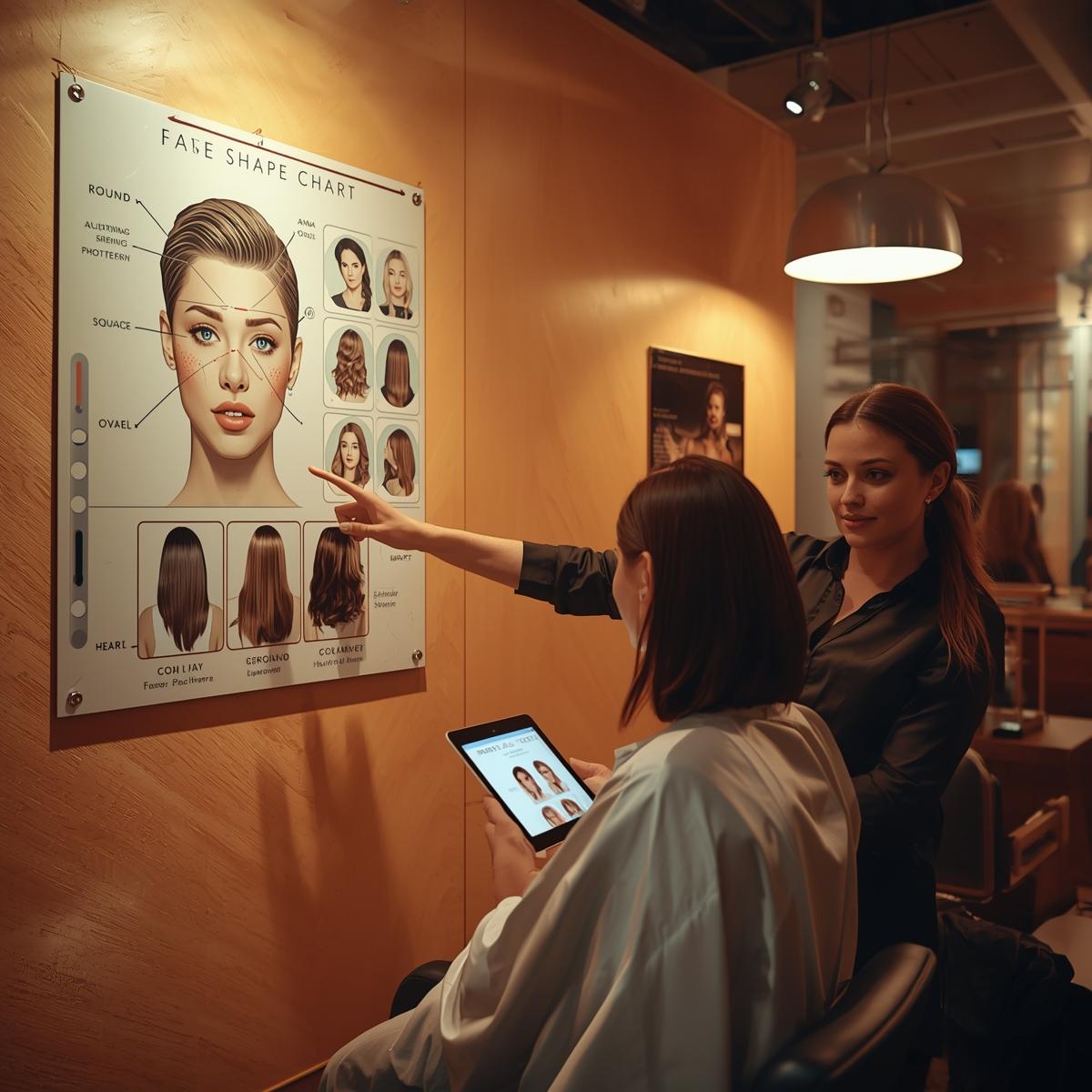
Think About Face Shape
Face shape affects how hair meets the facial outline. Below are basic guides:
Oval face: Most cuts align with this shape.
Round face: Cuts that add vertical direction help shape perceptions.
Square face: Cuts that guide hair around strong lines may suit you.
Heart face: Hair near the chin helps balance the upper area.
Long face: Avoid cuts that extend length near the top.
Your stylist can show where hair sits relative to your face.
Maintain Between Visits
A trending haircut still needs upkeep. Plan visits to your stylist at a frequency that matches your choice:
Shorter cuts often need more frequent visits.
Longer cuts with movement can go longer between visits.
Face-framing pieces may need trimming more often than overall length.
Create a schedule so the cut stays purposeful.
How to Ask Your Stylist for a Trending Cut
Clear communication prevents misunderstandings.
Steps to follow:
Name the style: Use the name that describes the trend.
Give specific lengths: Tell them where you want length to sit (chin, shoulder, breast bone).
Talk about texture: Explain if your hair is straight, wavy, curly, or coily.
Explain your routine: Tell how much time you spend styling daily.
Show a reference: A photo helps clarify the goal.
If the trend needs adjustment, a good stylist will guide you.
Maintenance Tips
Between salon visits, simple care helps keep the cut active:
Wash hair based on your scalp needs.
Use conditioner to prevent tangles and breakage.
Brush or comb from roots to ends with gentle motion.
If you use heat tools, protect hair with a heat guard.
Clip or pin hair in place when needed without forcing unnatural direction.
Haircare supports the haircut.
Common Mistakes to Avoid
When choosing a trending haircut:
Do not assume one style fits all textures.
Avoid cutting too short if you are not ready for frequent visits.
Do not use products in large amounts without guidance.
Avoid changing styles too often without letting one settle.
These choices affect how hair behaves after cutting.
Travel and Trends
If you travel often:
Choose haircuts that do not demand tools in every place you go.
Ask for a look that can be managed with hands or basic brushing.
This approach keeps hair functional on the go.
Budget Planning for Haircuts
Salon visits have cost and time. Trending cuts that require frequent visits may affect budget planning.
Plan your visits and ask your stylist for intervals that match your schedule and spending.
Seasonal Impact on Haircuts
Climate affects how hair feels after cutting:
Warm periods may make shorter cuts easier to handle.
Cooler periods may support longer lengths.
Adjust based on comfort.
Trend Evolution
Haircut trends shift through the year. What is trending now may adapt next season. Keeping a haircut that supports your routine while acknowledging trend changes ties practicality with style.
Conclusion
Trending women’s haircuts this year reflect what many people are choosing at salons. These cuts include modern bobs, mid-length cuts, curtain cuts, long layers, short hair with outline, shingles, pixie cuts, blunt lines, face-framing pieces, and textured ends.
Before choosing a trend, think about routine, texture, face shape, and maintenance. Talk clearly with your stylist and plan your care between visits. A trending haircut can fit your life when it supports how you live, how you move, and how you manage your time.