How Technology Is Transforming Daily Life
Introduction
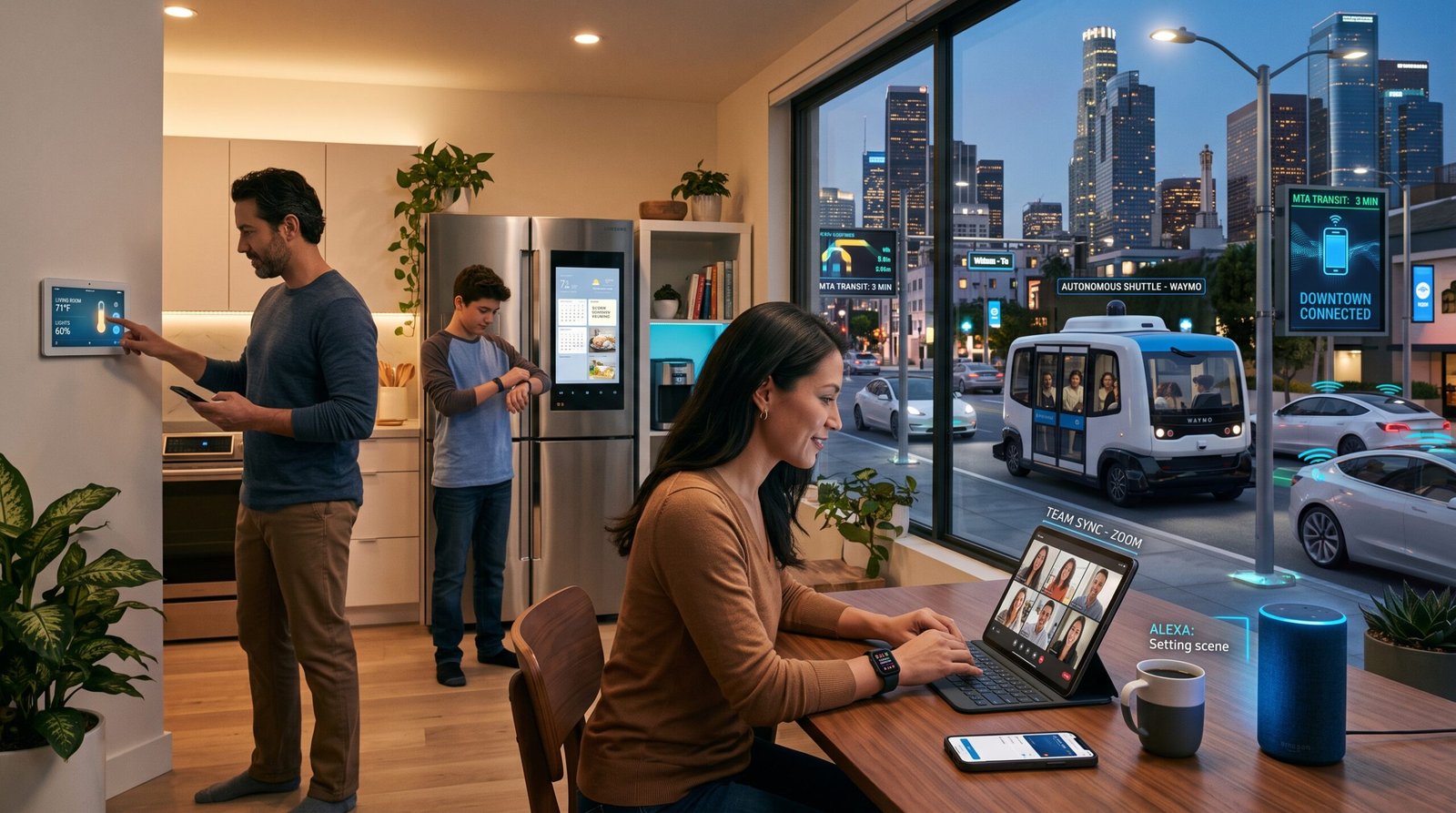
Technology has become an essential part of modern life. From communication and transportation to healthcare and education, technological advancements continue to influence how people work, learn, shop, travel, and interact with one another. Digital devices, internet services, artificial intelligence, and automation have changed everyday activities and created new opportunities across society.
The rapid growth of technology has increased access to information, improved efficiency, and connected people across different regions of the world. Businesses, governments, educational institutions, and healthcare providers rely on technology to deliver services and improve operations.
This article explores how technology is transforming daily life and examines its impact on various aspects of society.
Technology and Communication
Communication has experienced one of the most significant transformations due to technological advancement.
Instant Messaging
Modern communication platforms allow people to exchange information instantly through:
- Text messages
- Voice messages
- Video calls
- Group chats
- Social communication platforms
These technologies have reduced communication barriers and increased global connectivity.
Video Conferencing
Video communication tools have changed how people interact in personal and professional settings.
Common applications include:
- Business meetings
- Remote work
- Online education
- Family communication
- International collaboration
Video conferencing technology supports communication regardless of location.
Social Media Platforms
Social platforms allow users to:
- Share information
- Build communities
- Promote businesses
- Access news
- Communicate globally
Social media has become an important part of daily communication.
Technology in Education
Educational systems have undergone major changes due to digital technology.
Online Learning
Students can now access educational resources through:
- Virtual classrooms
- Educational websites
- Online courses
- Video lectures
- Digital learning platforms
Online education increases accessibility and flexibility.
Digital Learning Tools
Technology supports education through:
- Interactive software
- Educational applications
- Virtual simulations
- Artificial intelligence tutors
- Learning management systems
These tools help improve learning experiences.
Remote Education
Remote learning technologies allow students to continue education regardless of geographic location.
Benefits include:
- Greater access
- Flexible scheduling
- Reduced costs
- Expanded learning opportunities
Technology in Healthcare
Healthcare services continue to improve through technological innovation.
Telemedicine
Patients can receive medical consultations remotely through:
- Video appointments
- Mobile applications
- Online healthcare platforms
Telemedicine improves healthcare accessibility.
Medical Devices
Modern healthcare technologies include:
- Wearable devices
- Diagnostic equipment
- Monitoring systems
- Medical imaging tools
These technologies assist healthcare professionals and patients.
Electronic Health Records
Digital health records improve:
- Patient information management
- Treatment coordination
- Medical research
- Healthcare efficiency
Electronic records reduce administrative challenges.
Technology and Work
Technology has transformed workplaces across industries.
Remote Work
Digital technologies enable employees to work from various locations using:
- Cloud computing
- Collaboration software
- Video conferencing
- Project management tools
Remote work has become increasingly common.
Automation
Businesses use automation to:
- Reduce repetitive tasks
- Improve productivity
- Increase efficiency
- Lower operational costs
Automation technologies support many industries.
Artificial Intelligence in the Workplace
AI systems assist organizations through:
- Data analysis
- Customer support
- Process optimization
- Decision support
- Workflow management
Artificial intelligence continues changing workplace operations.
Technology and Shopping
Consumer purchasing behavior has changed significantly due to technology.
E-Commerce
Online shopping platforms allow consumers to:
- Compare products
- Make purchases
- Read reviews
- Track deliveries
- Access international markets
E-commerce continues growing globally.
Digital Payments
Payment technologies include:
- Mobile wallets
- Contactless payments
- Online banking
- Digital transactions
These systems simplify financial transactions.
Personalized Shopping
Retailers use technology to provide:
- Product recommendations
- Customized offers
- Customer analytics
- Personalized experiences
Data analysis supports targeted services.
Technology and Transportation
Transportation systems continue evolving through technological innovation.
Navigation Systems
GPS technology helps users:
- Plan routes
- Avoid traffic
- Track locations
- Improve travel efficiency
Navigation systems have become essential tools.
Ride-Sharing Services
Digital transportation platforms connect passengers with drivers through mobile applications.
Benefits include:
- Convenience
- Accessibility
- Flexible transportation options
Autonomous Transportation
Self-driving technologies continue developing for:
- Personal vehicles
- Public transportation
- Logistics services
- Delivery systems
Automation may reshape transportation systems.
Technology and Entertainment
Entertainment industries have experienced major transformation.
Streaming Services
Consumers access entertainment through:
- Video streaming
- Music streaming
- Live broadcasts
- Digital media platforms
Streaming technology has changed content consumption habits.
Gaming Technology
Modern gaming technologies include:
- Online multiplayer games
- Virtual reality
- Cloud gaming
- Mobile gaming
Gaming continues to expand globally.
Digital Content Creation
Technology allows creators to produce:
- Videos
- Podcasts
- Music
- Educational content
- Social media content
Digital platforms support content distribution worldwide.
Smart Home Technology
Smart homes use connected devices to automate daily activities.
Smart Appliances
Connected household devices include:
- Refrigerators
- Washing machines
- Lighting systems
- Security systems
These technologies improve convenience and efficiency.
Home Security Systems
Modern security technologies provide:
- Video surveillance
- Motion detection
- Remote monitoring
- Smart locks
Users can manage security systems remotely.
Voice Assistants
Voice-controlled systems help users:
- Access information
- Control devices
- Schedule tasks
- Manage daily activities
Voice technologies continue improving.
Technology and Financial Management
Technology has changed how people manage finances.
Mobile Banking
Banking applications provide:
- Account management
- Money transfers
- Bill payments
- Investment services
Consumers can access financial services from mobile devices.
Investment Platforms
Digital investment platforms offer:
- Portfolio management
- Financial analysis
- Market information
- Investment education
Technology has increased investment accessibility.
Financial Planning Tools
Applications help users:
- Track spending
- Create budgets
- Monitor savings
- Manage financial goals
These tools support personal finance management.
Technology and Social Interaction
Technology influences how people build and maintain relationships.
Online Communities
Digital communities allow individuals to:
- Share interests
- Exchange information
- Build networks
- Participate in discussions
Online communities connect people globally.
Social Networking
Social networking platforms support:
- Personal communication
- Professional networking
- Business promotion
- Community engagement
These platforms influence social interaction.
Digital Collaboration
Technology enables collaboration through:
- Shared documents
- Communication platforms
- Virtual workspaces
- Project management systems
Collaboration tools support teamwork.
Technology and Daily Productivity
Productivity technologies help individuals manage tasks efficiently.
Digital Calendars
Users can organize:
- Meetings
- Appointments
- Events
- Daily schedules
Digital planning tools improve time management.
Task Management Applications
Productivity platforms support:
- Goal tracking
- Project management
- Task organization
- Workflow planning
These tools increase efficiency.
Cloud Storage
Cloud services allow users to:
- Store documents
- Access files remotely
- Share information
- Protect data
Cloud computing supports personal and professional activities.
Technology and Travel
Travel experiences continue changing through digital innovation.
Online Booking Systems
Travelers use technology for:
- Flight reservations
- Hotel bookings
- Transportation services
- Travel planning
Digital platforms simplify travel arrangements.
Translation Technology
Language translation tools help users communicate internationally.
Applications include:
- Text translation
- Voice translation
- Real-time interpretation
Translation technologies support global communication.
Travel Navigation
Travel applications provide:
- Route planning
- Maps
- Location tracking
- Travel information
These services improve travel experiences.
Technology and Health Management
Technology supports personal health and wellness.
Wearable Devices
Health tracking devices monitor:
- Heart rate
- Sleep quality
- Physical activity
- Health indicators
Users can monitor personal health data regularly.
Fitness Applications
Fitness technologies help users:
- Track exercise
- Monitor progress
- Create routines
- Manage goals
Digital tools support healthy lifestyles.
Health Information Access
Technology allows individuals to:
- Access medical information
- Schedule appointments
- Monitor treatments
- Communicate with healthcare providers
Digital healthcare services continue expanding.
Artificial Intelligence in Everyday Life
Artificial intelligence increasingly supports daily activities.
Personal Assistants
AI assistants help users:
- Search information
- Schedule appointments
- Manage tasks
- Control devices
These technologies improve convenience.
Recommendation Systems
AI systems provide recommendations for:
- Shopping
- Entertainment
- Education
- Travel
- Financial services
Personalized experiences have become common.
Smart Devices
Artificial intelligence supports:
- Smartphones
- Home devices
- Vehicles
- Business applications
AI integration continues expanding.
Benefits of Technology in Daily Life
Technology provides numerous advantages.
These include:
- Increased efficiency
- Better communication
- Greater accessibility
- Improved healthcare
- Expanded educational opportunities
- Enhanced productivity
- Economic growth
Technology helps individuals and organizations achieve goals more effectively.
Challenges of Technology Use
Despite its benefits, technology presents several challenges.
Common concerns include:
- Privacy issues
- Cybersecurity threats
- Digital dependence
- Information overload
- Data protection
- Online fraud
Addressing these challenges requires responsible technology use and effective regulation.
Future of Technology in Daily Life
Technology will continue influencing daily activities through advances in:
- Artificial intelligence
- Robotics
- Biotechnology
- Virtual reality
- Smart devices
- Quantum computing
- Automation
Future innovations may further transform how people live, work, and communicate.
Conclusion
Technology has fundamentally changed daily life across communication, healthcare, education, transportation, entertainment, finance, and business. Digital tools and systems provide convenience, improve efficiency, and expand access to services and information.
As technological innovation continues, individuals and organizations will need to adapt to new systems and opportunities. Understanding how technology influences daily life helps people make informed decisions and prepare for future changes.
Frequently Asked Questions
How has technology changed daily life?
Technology has improved communication, education, healthcare, transportation, entertainment, and financial management.
What role does artificial intelligence play in daily life?
Artificial intelligence supports personal assistants, recommendation systems, automation, and digital services.
How does technology improve healthcare?
Technology enables telemedicine, health monitoring, diagnostics, and digital medical records.
What are the benefits of smart home technology?
Smart home systems improve convenience, security, energy management, and automation.
Will technology continue transforming society?
Yes, technological advancements will continue influencing industries, economies, and daily activities worldwide.